Download The Official Ledger Live Desktop App: Your Full Setup Guide
Securely manage your crypto assets with the Ledger wallet app. This comprehensive guide ensures a safe download and a flawless setup for the Ledger Live desktop application on Windows and Mac.
Download From Official SiteUnlock Total Control Over Your Crypto
All-in-One Management
Use one app to securely manage 5,500+ coins and tokens, including Bitcoin, Ethereum, and NFTs, directly from your desktop.
Ironclad Security
Pair with your Ledger hardware wallet for the highest security. Your private keys never leave the secure element of your device.
Grow Your Assets
Stake your crypto, manage DeFi apps, and access a growing ecosystem of services directly within the Ledger Live desktop app.
Your 3-Step Setup Process
Download Safely
Click the button on our page to navigate directly to the official Ledger website. Always verify the URL to avoid phishing attempts. Download the correct version for Windows or Mac.
Install & Configure
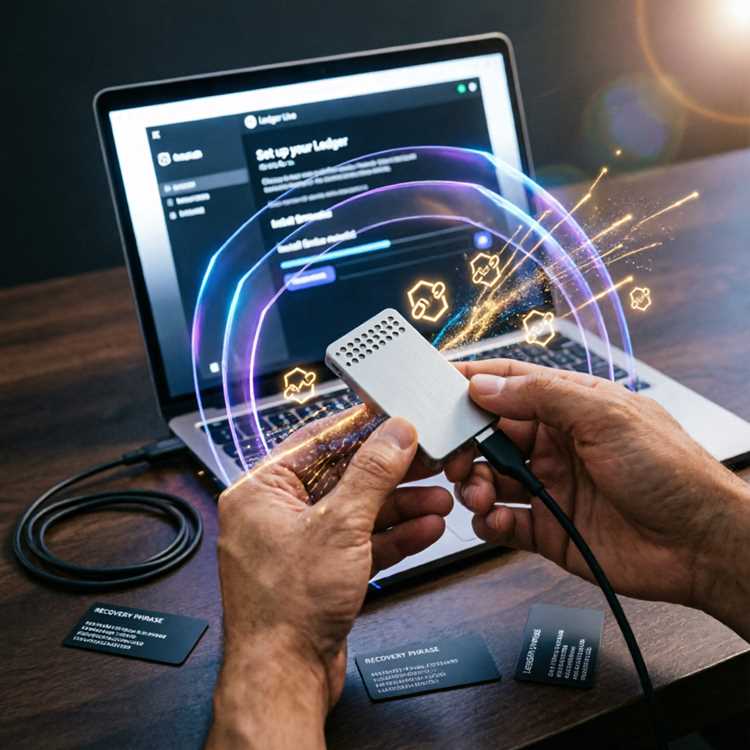
Run the installer and follow the on-screen instructions. The Ledger Live setup guide will walk you through connecting your device, setting a password, and writing down your recovery phrase.
Secure & Manage
Once set up, install apps for the cryptocurrencies you want to manage. Your Ledger Live desktop is now ready to send, receive, and view your portfolio with ultimate security.
In-Depth Analysis
A complete breakdown of the Ledger Live Desktop App, from installation to advanced features.
Download The Official Ledger Live Desktop App: Complete Setup Guide for Windows and Mac
Why Use a Dedicated Desktop Wallet for Crypto Management?
Download The Official Ledger Live Desktop App: Full Setup Guide starts with understanding why a desktop wallet matters. Mobile wallets offer convenience but lack the full power of a desktop interface. Desktop versions provide better screen space, faster sync times, and direct hardware connectivity. Using a dedicated desktop tool makes managing multiple coins easier for active traders.
Ledger live app integrates directly with Ledger hardware wallets. This combination keeps private keys offline while you interact with blockchain services. Desktop software also supports advanced features like staking, swapping, and portfolio tracking. Businesses and power users often prefer desktop over mobile for these reasons.
Choosing a desktop wallet gives you more control over updates and backups. You can store your data locally and avoid cloud dependency. Many users find the larger display helpful for checking transaction details. Ultimately, a desktop setup offers a balance of security and functionality.
What Makes Ledger Live Desktop Different from Mobile Versions?
Ledger desktop app offers a full-screen view of your portfolio. Mobile apps have smaller interfaces and limited chart tools. Desktop versions support multi-window workflows. You can run Ledger Live alongside other trading platforms. This setup is ideal for active traders and DeFi users.
Benefits of Pairing a Hardware Wallet with the Desktop App
Using a Ledger wallet app alongside the desktop client ensures private keys never leave the device. All transactions are signed offline. Desktop software then broadcasts them to the network. This method prevents malware from accessing your keys. Many security experts recommend this approach for large holdings.
Key Features of the Ledger Live Desktop Client
Ledger live setup guide usually highlights several core capabilities. The app supports over 5000 cryptocurrencies and tokens. Users can send, receive, swap, and stake assets within one interface. Real-time price charts and transaction histories are built in. The desktop client also manages firmware updates for Ledger devices.
- Portfolio dashboard with balance tracking and performance charts
- Built-in swap and buy services through partner integrations
- Staking support for coins like Ethereum, Solana, and Tezos
- One-click transaction history export for tax reporting
- Multi-language interface and accessibility options
Ledger live for windows and Ledger live for mac share the same feature set. Both versions receive regular updates. The app also includes a dark mode option for reduced eye strain. Users can create custom accounts and set spending limits. These tools help organize holdings efficiently.
Hardware Device Compatibility
Ledger wallet app works with Ledger Nano S, Nano X, and Nano S Plus. Older models also function with some limitations. The desktop client detects connected devices automatically. Firmware updates are handled through the same interface. This makes managing your hardware simple.
Third-Party Integration Support
Ledger live download includes APIs for third-party apps like MetaMask and 1inch. Users can connect their Ledger device to DeFi protocols directly. The desktop app acts as a secure gateway. This integration expands your ability to trade and earn yields without compromising security.
Preparing Your System for the Ledger Live Download
Before you begin the Ledger live download, check your operating system requirements. Windows 10 or later is needed for PC users. Mac users require macOS 11 Big Sur or newer. Linux distributions (Ubuntu 20.04 or Fedora 35) are also supported. Ensure your internet connection is stable during installation.
| Operating System | Minimum Version | RAM Required | Disk Space |
|---|---|---|---|
| Windows | Windows 10 (64-bit) | 4 GB | 500 MB |
| macOS | macOS 11 Big Sur | 4 GB | 500 MB |
| Linux | Ubuntu 20.04 or Fedora 35 | 4 GB | 500 MB |
Always download the installer from the official Ledger website. Avoid third-party mirrors or file-sharing sites. Verify the digital signature if you are experienced with checksums. This step prevents tampered software from being installed. Using unofficial sources can expose your device to risks.
Required Accessories and Cables
Ledger live for windows and mac both need a USB cable to connect your device. Nano X also supports Bluetooth but desktop use prefers wired connections. Keep a spare USB cable handy in case of failure. Users of older Nano S models require a Micro-USB cable. Newer devices use USB-C for faster data transfer.
Step-by-Step: Ledger Live Download for Windows
Ledger live for windows installation is straightforward. Visit the official Ledger website and locate the download section. Click the Windows installer link. The file is roughly 200 MB. Save it to your desktop for easy access. Follow these steps to complete the process.
- Double-click the downloaded installer file. Allow administrator permissions if prompted.
- Choose your language from the dropdown menu. Click OK to proceed.
- Read the license agreement. Accept the terms and click Next.
- Select an installation folder or use the default one. Click Install.
- Wait for the progress bar to finish. Launch Ledger Live after installation completes.
Ledger live setup guide recommends restarting your computer after installation. This ensures all drivers are loaded correctly. Once restarted, open Ledger Live and connect your device. The app will guide you through initial account setup. For detailed instructions, refer to the Ledger Live desktop Windows guide.
Troubleshooting Windows Installation Issues
Sometimes Windows Defender blocks the installer. Temporarily disable real-time protection during installation. Another common issue is missing USB drivers. Install the latest driver pack from the manufacturer. If the app fails to open, run it as administrator. Most problems resolve with a clean reinstall.
Step-by-Step: Ledger Live Download for macOS
Ledger live for mac installation differs slightly. Mac users need to download the DMG file. Open it and drag the app to the Applications folder. Then launch the app from there. macOS may ask for confirmation from an unidentified developer. Go to System Preferences > Security & Privacy and allow the app.
- Visit the official Ledger download page. Select the macOS version.
- Open the downloaded DMG file. Drag the Ledger Live icon into the Applications folder.
- Close the DMG window. Open the Applications folder and double-click Ledger Live.
- If a warning appears, click Cancel. Then go to System Preferences > Security & Privacy > General. Click Open Anyway.
- Follow the on-screen setup wizard to create or restore an account. Connect your hardware device when prompted.
Mac users with Apple Silicon chips can run the app natively. No Rosetta emulation is needed. For more details, check the Ledger Live macOS install guide. After setup, you can use the same backup strategies across platforms. Remember to sync your portfolio data for continuity.
Firewall and Privacy Settings on macOS
Ledger live app may ask for network access to update prices and send transactions. Allow these permissions in your firewall settings. Some users prefer to restrict outbound connections to known servers. You can customize these rules in the Security & Privacy panel. This adds an extra layer of control.
How to Update the Ledger Live Desktop Client
Keeping your software current is vital. Update Ledger live desktop regularly to receive new features and security patches. The app checks for updates automatically. You can also trigger a manual update from the settings menu. Always back up your recovery phrase before updating.
To update, open Ledger Live and go to Settings > About > Check for updates. Download any available update and restart the app. Some major updates may require a full reinstall. In that case, uninstall the old version first. Then download the latest installer from the official site.
Ledger live for windows and mac both follow the same update process. Mobile versions update through app stores. Desktop users receive notices when a new release is out. Delaying updates can expose you to known vulnerabilities. Staying current is a simple way to enhance security.
What to Do If an Update Fails
Occasionally, updates may hang or fail. Restart your computer and try again. Clear the app cache by deleting files in the user data folder. Reinstalling the app often solves persistent issues. Contact Ledger support if problems continue. Do not attempt to use outdated software with active funds.
Setting Up Your Ledger Device with the Desktop App
After you complete the Ledger live download, connect your hardware wallet. Use the USB cable that came with the device. Launch the app and select Initialize a new device or Restore a wallet. Follow the on-screen prompts to set a PIN and generate your recovery phrase. Write down the 24 words on paper, never store them digitally.
Ledger desktop app will then create accounts for each blockchain you want to use. You can add Bitcoin, Ethereum, and many others. Each account gets a dedicated receiving address. The app shows your balance and transaction history instantly. This process takes about 10 minutes for a fresh setup.
For users who already have a Ledger device, simply connect it and unlock with your PIN. The app will recognize the device and synchronize accounts. You can also add new accounts from the Accounts tab. This flexibility allows migrating between devices without losing data. Always follow the Ledger Live backup guide to keep your recovery phrase safe.
First-Time Account Configuration
After initialization, the app asks which assets to add. Select the coins you own or plan to use. Each blockchain requires a separate account. For example, add Bitcoin, Ethereum, and Solana individually. The app downloads the required blockchains data the first time. This may take a few minutes depending on your network.
Adding Accounts for Multiple Cryptocurrencies
Managing several assets is simple with the Ledger wallet app. Click the Accounts tab and then Add Account. Choose the cryptocurrency from the list. The app scans your device for existing addresses. New accounts appear in your portfolio automatically. You can rename each account for easy identification.
Managing Multiple Cryptocurrencies in One Interface
Ledger live app displays all your holdings in a single dashboard. Each asset shows its current value in your chosen fiat currency. You can sort by balance, percentage change, or name. Graphs track performance over time. This unified view helps you assess your portfolio at a glance.
Ledger live for windows and mac both support the same multi-asset view. Transactions are grouped by coin for easy review. You can send or receive any asset directly from the dashboard. Swapping between coins is also possible using integrated services. This eliminates the need for multiple wallets.
Using the desktop app, you can manage accounts from different blockchains simultaneously. For example, you can view Bitcoin and Ethereum balances side by side. The app updates prices every few seconds. Real-time data helps you make informed trading decisions. Staking rewards also appear in the same interface.
Using the Portfolio for Tax Reporting
Ledger live setup guide includes an export feature for transaction history. You can download CSV or PDF reports. These files are compatible with most tax software. Financial year summaries are easy to generate. This saves time during tax season and reduces errors.
Customizing Your Dashboard Layout
Users can rearrange widgets, hide tokens, or set favorite pairs. The app remembers your preferences across sessions. You can create custom tags for transactions. This organization helps when tracking spending or donations. Small tweaks make daily management more efficient.
Security Practices: Backups and Recovery
Security begins with your recovery phrase. Ledger provides a 24-word seed during device initialization. Write it down on the provided card. Store it in a fireproof safe or a secure location. Never type these words into any computer or online tool. The backup is the only way to restore your funds if the device fails.
Ledger desktop app does not store your private keys. The keys remain on the hardware device. However, the app does save account public addresses and transaction data. You can back up this data by exporting a portfolio file. Also create a manual backup of your device firmware version. This information helps when restoring.
Regularly update your device firmware through Ledger Live. Each update improves security features. For a full walkthrough, refer to the Ledger Live backup guide. That guide covers backup best practices, including encrypted cloud storage options. Always verify that your recovery phrase matches the device before relying on it.
What to Do if Your Device Is Lost or Damaged
If your Ledger is lost, purchase a new device. Use your recovery phrase to restore the wallet on the new hardware. The Ledger wallet app will then display all your accounts again. Never share your recovery phrase with anyone. Consider using a passphrase for extra protection against physical access.
Common Security Mistakes to Avoid
Storing your recovery phrase on a computer or phone is risky. Screenshots and text files are easy targets for malware. Also avoid using online recovery services. Ledger never asks for your seed phrase. Phishing attempts often mimic official support. Ignore any request for your recovery words.
Frequently Asked Questions About Ledger Live Desktop
This section answers common queries about the desktop application. Each answer is concise and factual.
Is Ledger Live Desktop free to download?
Yes, the software is free. You only pay for the hardware device. Ledger live download does not charge any fee. All features including staking and swapping are available without extra cost from Ledger itself. Third-party fees may apply for swaps and buys.
Can I use Ledger Live without a hardware wallet?
No, the app is designed to work with a Ledger device. It cannot create or manage software wallets. Without a hardware wallet, you cannot access accounts. However, you can view public addresses and transaction history if you have previously synced. For full functionality, you need a Nano device.
Does Ledger Live Desktop support staking?
Yes, staking is available for several cryptocurrencies. Supported networks include Ethereum, Solana, Tezos, and more. Rewards are distributed according to the network rules. The desktop app displays earned rewards in your portfolio. You can delegate your stake directly from the interface.
How often is the app updated?
Minor updates appear every few weeks. Major releases happen quarterly. Update Ledger live desktop as soon as a new version is available. Automatic notifications inform you of pending updates. Keeping current protects against recently discovered vulnerabilities.
Can I export my transaction history?
Yes, go to the account you want to export. Click the three dots and select Export transactions. Choose CSV or PDF format. The file includes all transactions for that asset. You can also export the entire portfolio history from the portfolio tab.
Is Ledger Live available in languages other than English?

Yes, the app supports over 15 languages. Change the language in Settings under General. The interface updates immediately. Community translations are available for some less common languages. The installer also offers language selection during setup.
Note: This FAQ covers the most frequent inquiries. For specific issues, consult the official Ledger support center. The community forum also provides helpful tips. Always verify information with official sources before taking action.
Frequently Asked Questions
Yes, the Ledger Live desktop app is completely free to download and use. It is the official software designed to work with your Ledger hardware wallet (which is a purchased product). There are no subscription fees for the core functionality of managing your assets.
No, the Ledger Live desktop application is designed specifically as an interface for a Ledger hardware wallet. You must have a Ledger Nano S, Nano S Plus, or Nano X to set up and use the app. The security of the system relies on your private keys being stored on the physical device, not in the software.
When an update is available, a notification banner will appear within the Ledger Live app itself. This is the most secure way to update. Click the notification and follow the on-screen instructions. Never download an "update" from an email link or a third-party website. Always initiate the update from within your currently installed, trusted version of the app.
Both apps provide core functionality for managing your crypto. The Ledger desktop app is often preferred for initial setup, firmware updates, and managing a large number of coin apps. The mobile app offers convenience for on-the-go management and can connect to your device via Bluetooth (for Nano X) or an OTG cable.
Ledger Live is designed with privacy in mind. Your private keys never leave your hardware wallet. The app communicates with public blockchain explorers to display your balances and transaction history. While your public addresses are used, they are not tied to your personal identity within the app itself. For more details on data handling, you can consult Ledger's official privacy policy.
The password for the Ledger Live app is a local security measure for the software on your computer; it does not protect your funds on the blockchain. If you forget it, you can simply reset the app. This will clear your accounts and settings from the application. You can then re-add your accounts using your physical Ledger device. Your crypto assets remain safe as they are tied to your 24-word recovery phrase, not the app's password.